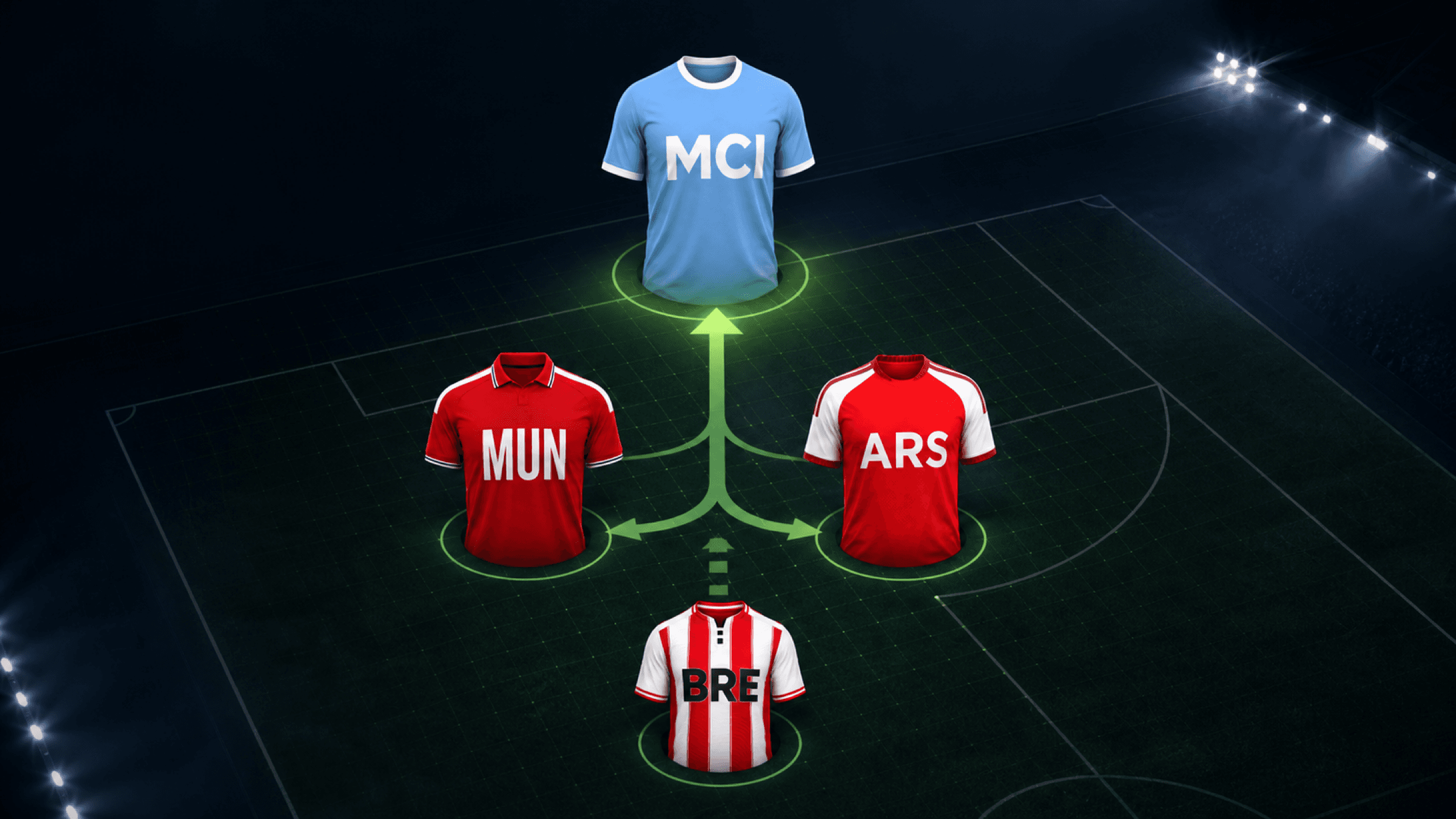
FPL chip strategy 2026/27: the case for a Gameweek 1 Bench Boost
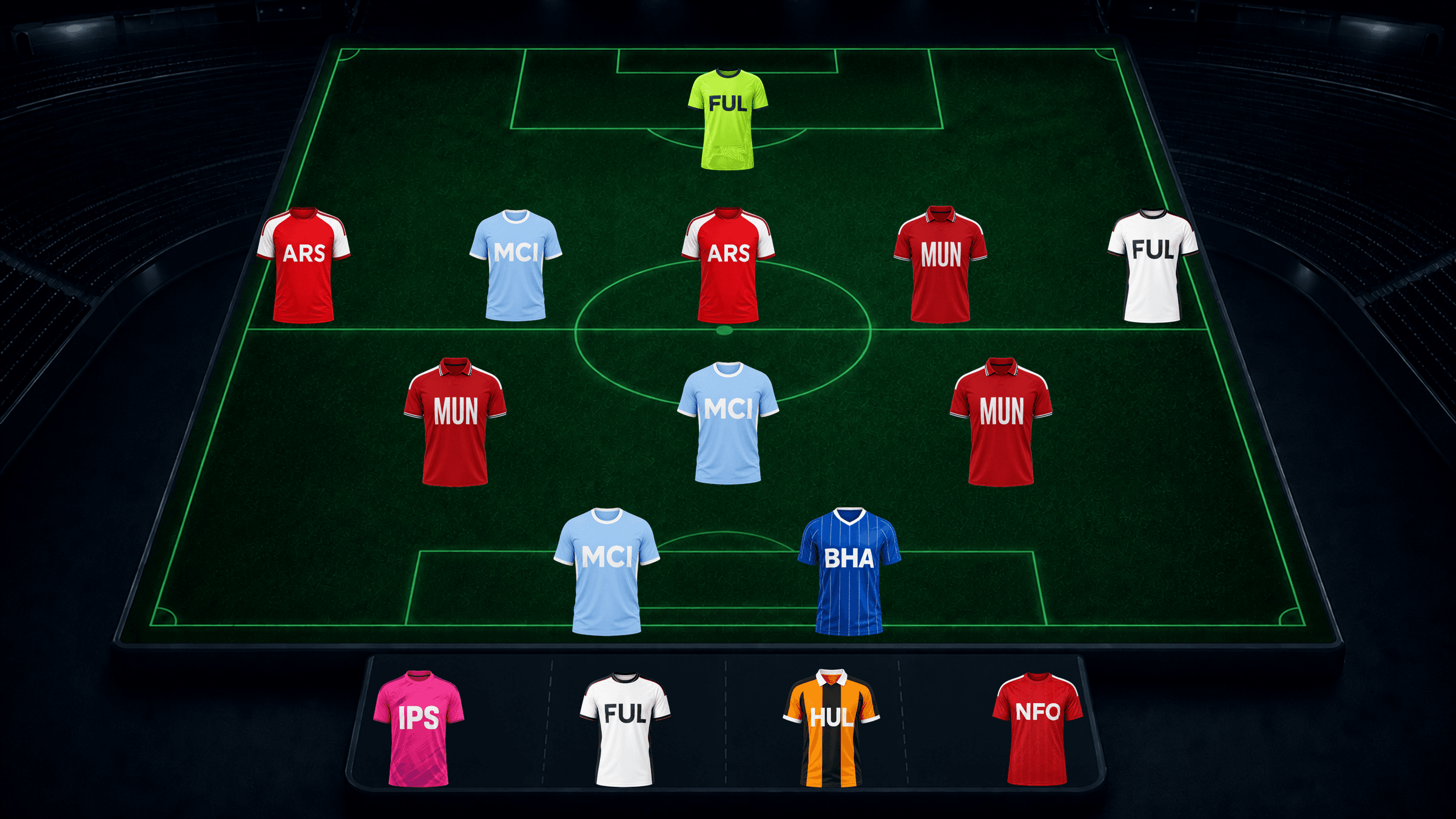
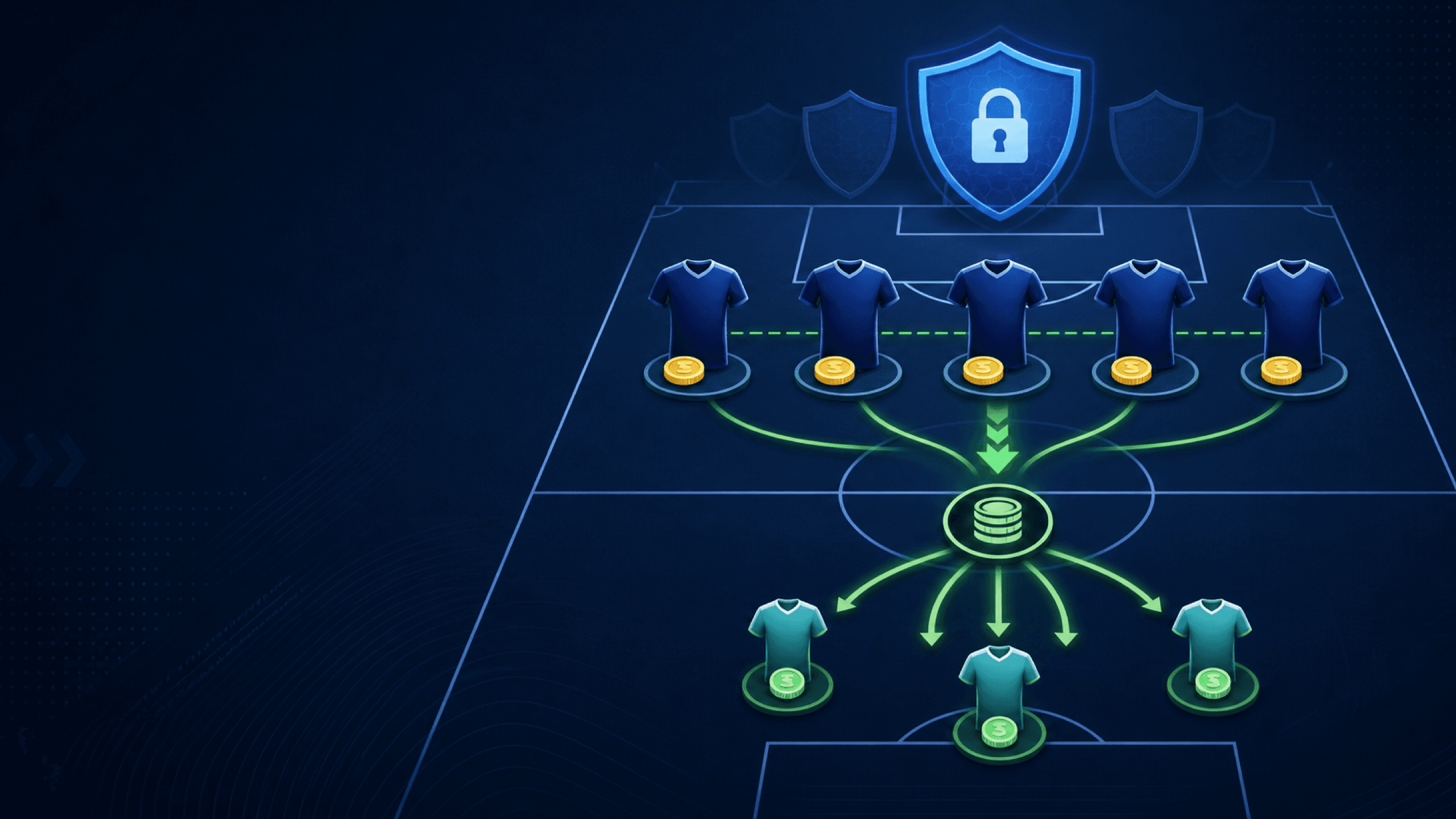
The FPLRogue reference squad leaves 11.98 xPts on the GW1 bench. That makes Bench Boost viable—but minutes risk and a slightly stronger GW2 projection keep the call conditional.

Find published analysis across captaincy, transfers, team news, fixtures and FPL strategy.
The FPLRogue reference squad leaves 11.98 xPts on the GW1 bench. That makes Bench Boost viable—but minutes risk and a slightly stronger GW2 projection keep the call conditional.
Our full Gameweek 1 guide ranks premium, mid-priced and budget players by modelled xPts, xMins and position-specific fixture difficulty, with an evidence-led watchlist for new signings.
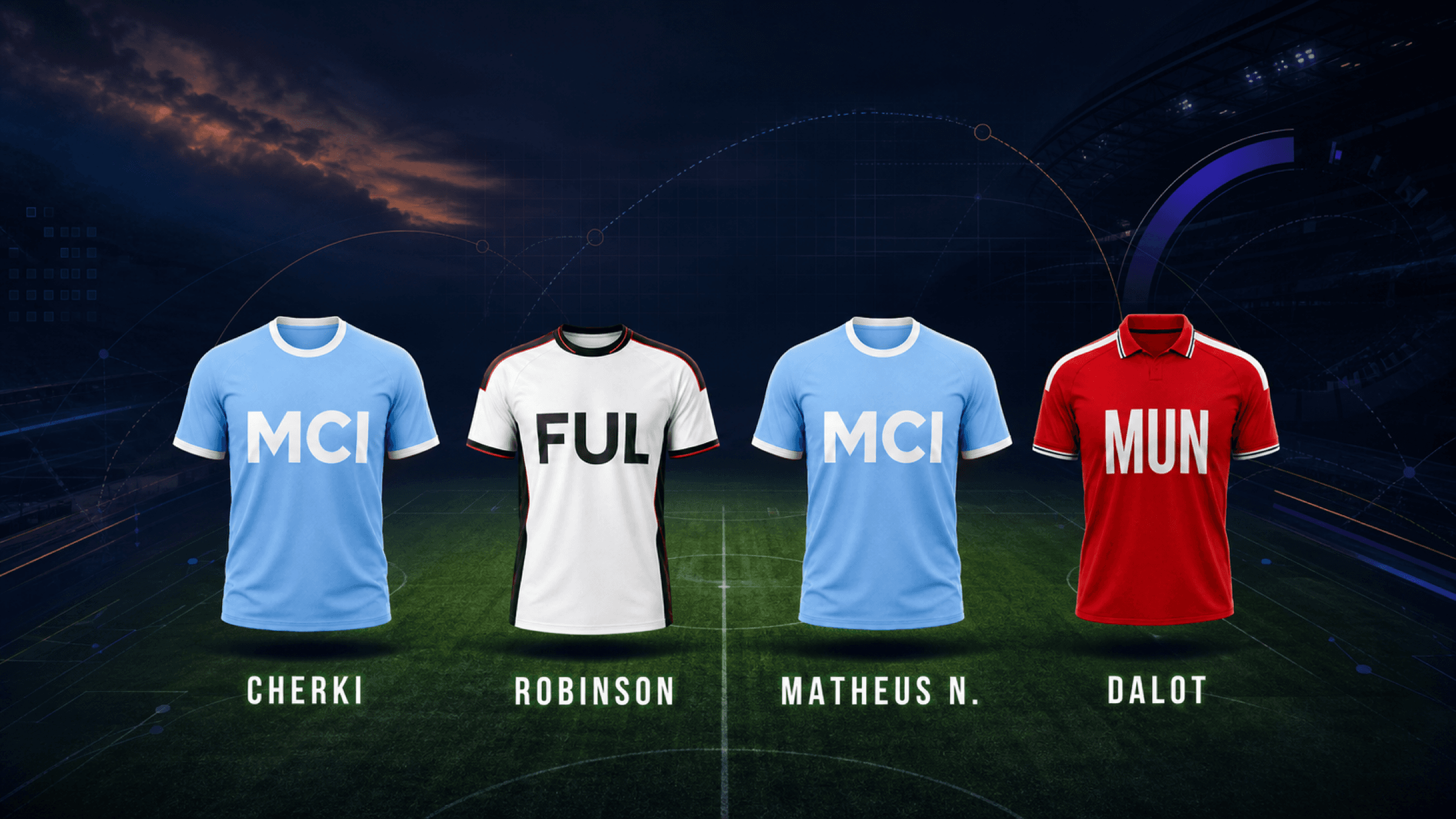
Cherki leads the three-gameweek modelled differential shortlist, while Robinson, Matheus N. and Dalot offer contrasting value and minutes profiles below the 10.0% ownership threshold.
Brighton supplied the biggest win and the top two FPL hauls, Hull and Brentford delivered the shocks, and the individual model picks produced lessons in points, minutes and basic employment checks.
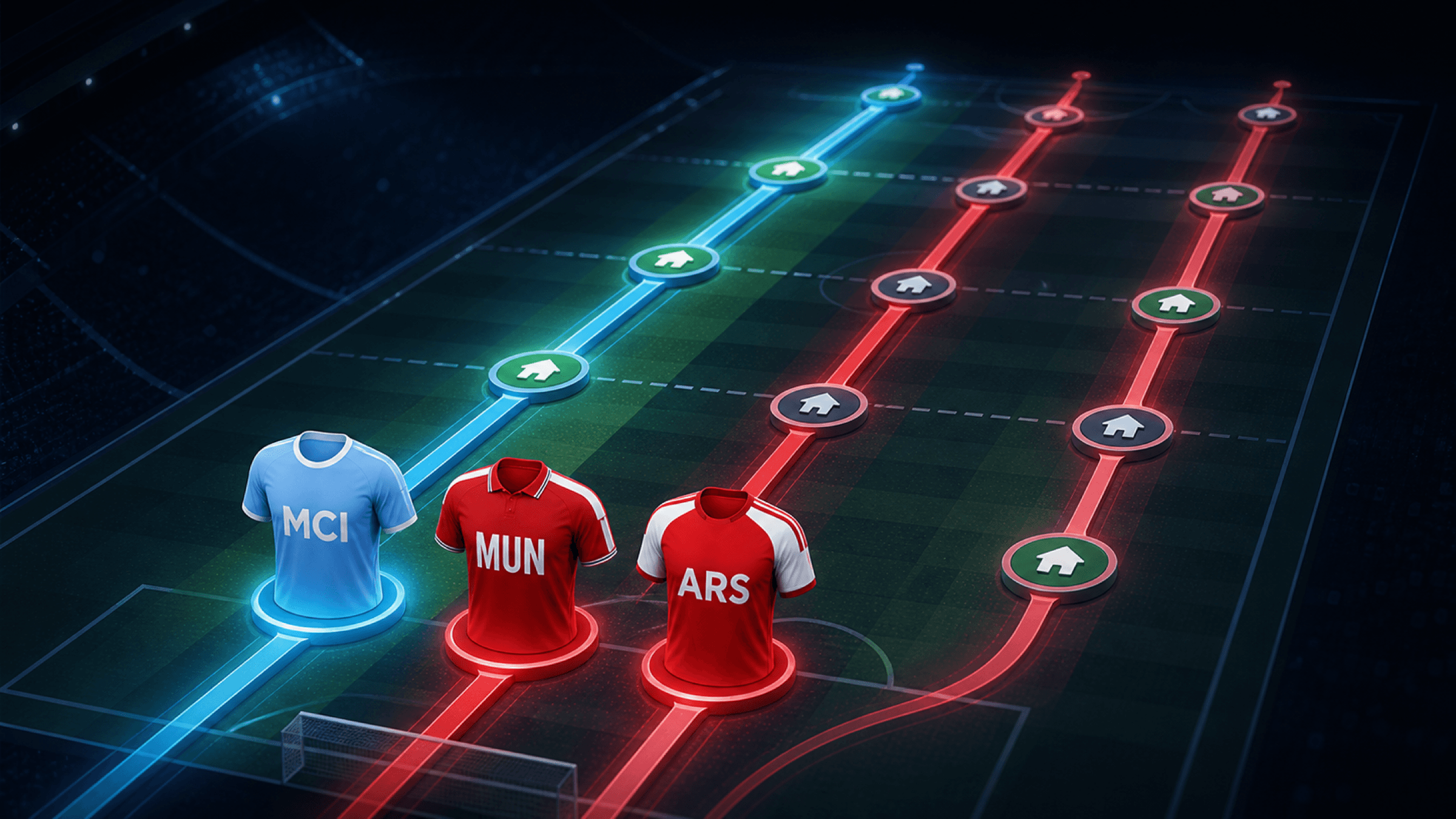
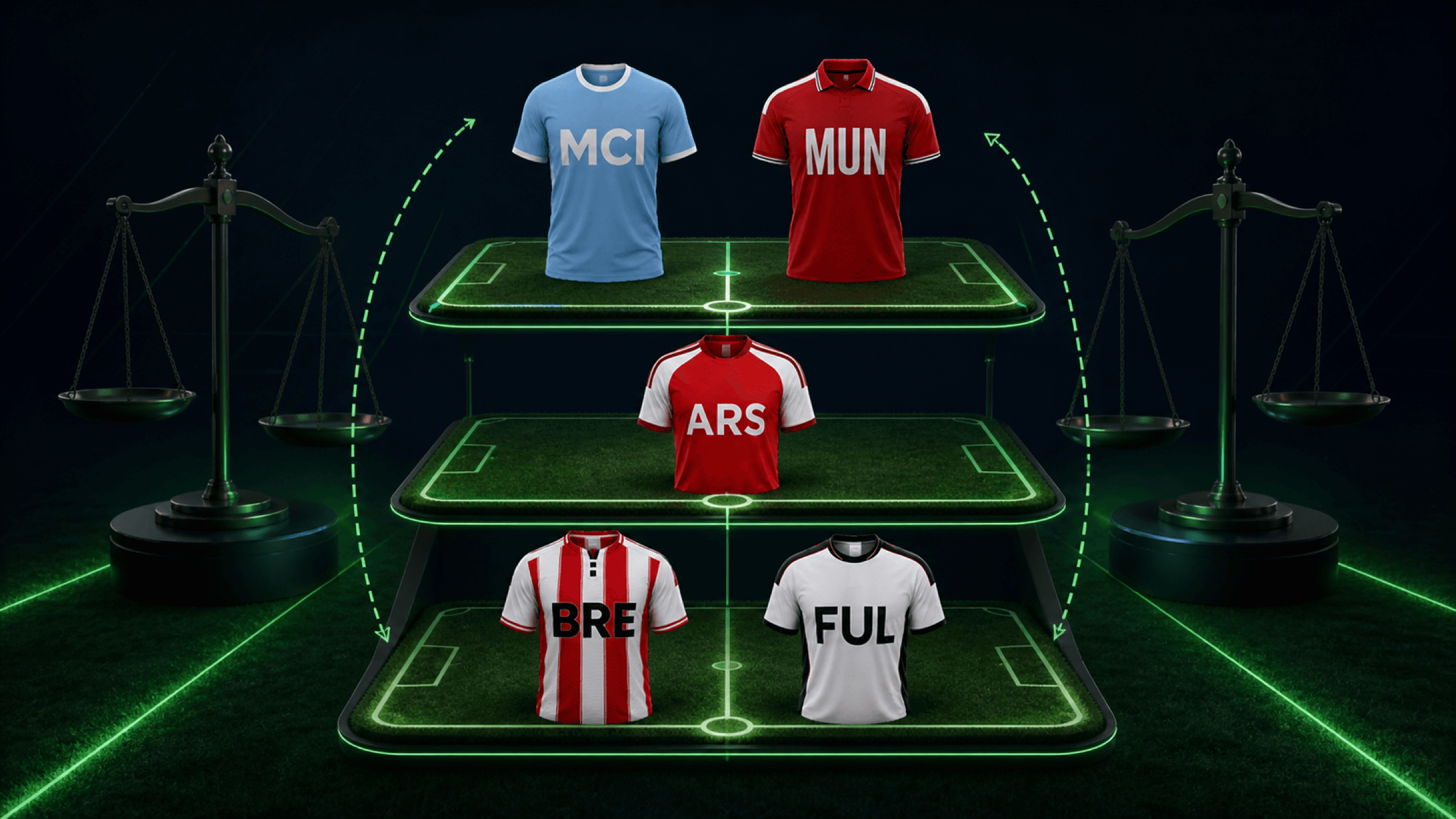
Manchester City and Manchester United provide the strongest opening attacking routes in the three-Gameweek model, while Arsenal remain the premium defensive benchmark.
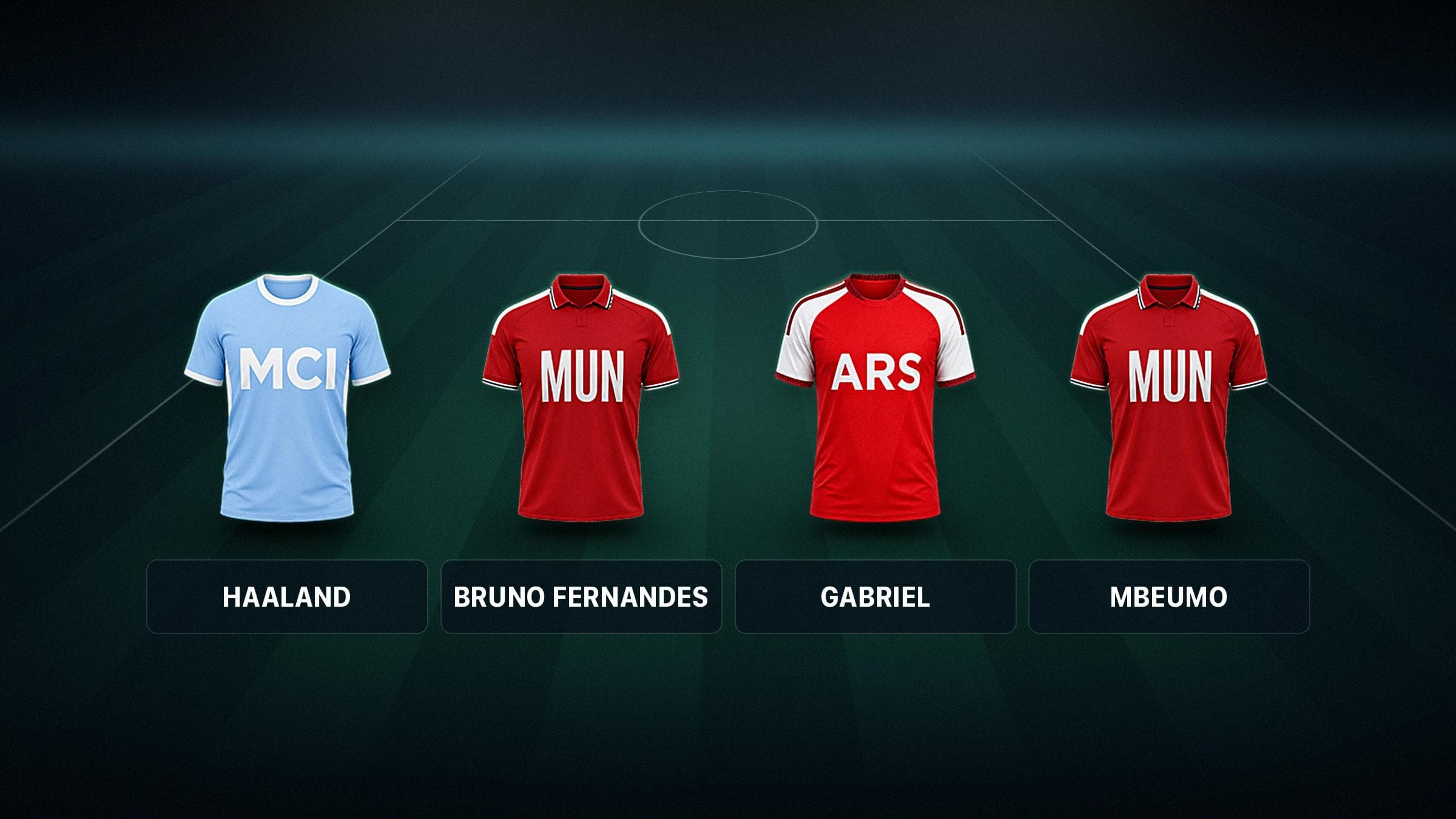
Our first legal £100m draft combines Haaland and Bruno Fernandes with premium defence, then uses a deliberately cheap bench to preserve the strongest projected starting XI.
Every available Gameweek 1 manager briefing, distilled into confirmed absences, genuine doubts, selection clues and the FPL decisions that follow.
The original 15 August captaincy shortlist, preserved alongside official GW1 scores and minutes. What the forecast got wrong, and why eight players cannot establish model accuracy.
Arsenal's 3-0 Community Shield win over Manchester City leads our final 14-16 August review, with every completed match assessed for roles, minutes and FPL relevance.
The final City briefing leaves Haaland's role intact, while a refreshed model and legal £100m reference squad quantify the chip decision.
Seven sub-10%-owned GW4 options, with Tavernier's upside, Vuskovic's defensive value and Nketiah's late-news caveat separated properly.
Final press-conference evidence reshapes the below-10%-owned shortlist, particularly at Manchester City, Liverpool and Crystal Palace.
Brighton humbled Arsenal, City survived an eight-goal thriller and Coventry mugged the week's fashionable Forest picks. We audit the forecasts and map the best routes into GW6–10.
Muñoz and Neco Williams headline a strict under-10%-owned shortlist, while Barry offers a cheap forward route away from the Forest concentration.
Tyrick Mitchell led GW3's 15-point chaos, Liverpool's attackers supplied the strongest follow-up case and the model's late minutes calls need an honest audit before GW4.
An archived GW1–3 comparison of premium and budget goalkeepers: what Raya’s extra £1.5m bought over Leno, and why two playing keepers needed a separate rotation case.
An archived look at Bruno Fernandes’s opening premium case: the £3.5m gap to Haaland, a stronger minutes estimate than cheaper alternatives, and the limits of the evidence.
The first three-Gameweek projections favour a few expensive anchors, a deep £7.0m–£8.0m midfield and budget defenders whose value depends heavily on secure minutes.
The archived opening £4.5m defender shortlist separates Robinson’s points lead from Castagne and Bassey’s stronger minutes estimates, then tests the cost of upgrading.
Build a legal £100m squad, pick a starting XI and captain before each deadline, then use transfers and chips to respond to fixtures, form and availability.
How to interpret FPLRogue expected points, playing time and displayed ranges, with a clearly dated worked example and links to current model evidence.
All 20 GW5 manager briefings, with João Pedro's late test, Newcastle's absences and Porro's return translated into expected-minutes and FPL decisions.
The post-press transfer board compares Chelsea, Liverpool, Bournemouth, Brighton, Palace and Arsenal routes, with Gakpo's assessment the decision that changes most squads.
All 20 GW4 manager briefings, from Gakpo's assessment and City returns to Chelsea's clear premium picture, with the FPL minutes consequences separated from the press-room noise.
Every club's live selection pressure, with manager quotes layered over current xMins and start probabilities from the FPLRogue model.
All 20 clubs, the decisive manager quotes and what the final GW3 press-conference window does to expected minutes, starts and FPL plans.
The final manager updates turn confirmed absences into urgent sales and separate secure three-week buys from tempting rotation traps.
Haaland owns a clear model lead for Sunderland at home, with Gibbs-White and Bruno the best alternatives for managers seeking a calculated swing.
Foden's suspension creates the obvious sale; Gibbs-White, Bruno and Cherki lead the replacement routes when projection is balanced with minutes and the wider fixture plan.
Brighton brought the goals, Pascal Groß topped the points and GW4 again showed why minutes evidence matters more than chasing yesterday's fireworks.
Haaland and the leading budget defenders survive the transfer audit, while Manchester City's mid-priced options become harder to separate safely.
Manchester City still own GW3's best fixture, but three deadline-day arrivals make their individual minutes—and several rival squads—less certain.
The standout and underwhelming players, clean-sheet evidence, late returns, role locks and rotation risks at every Premier League club—plus current xPts and xMins.