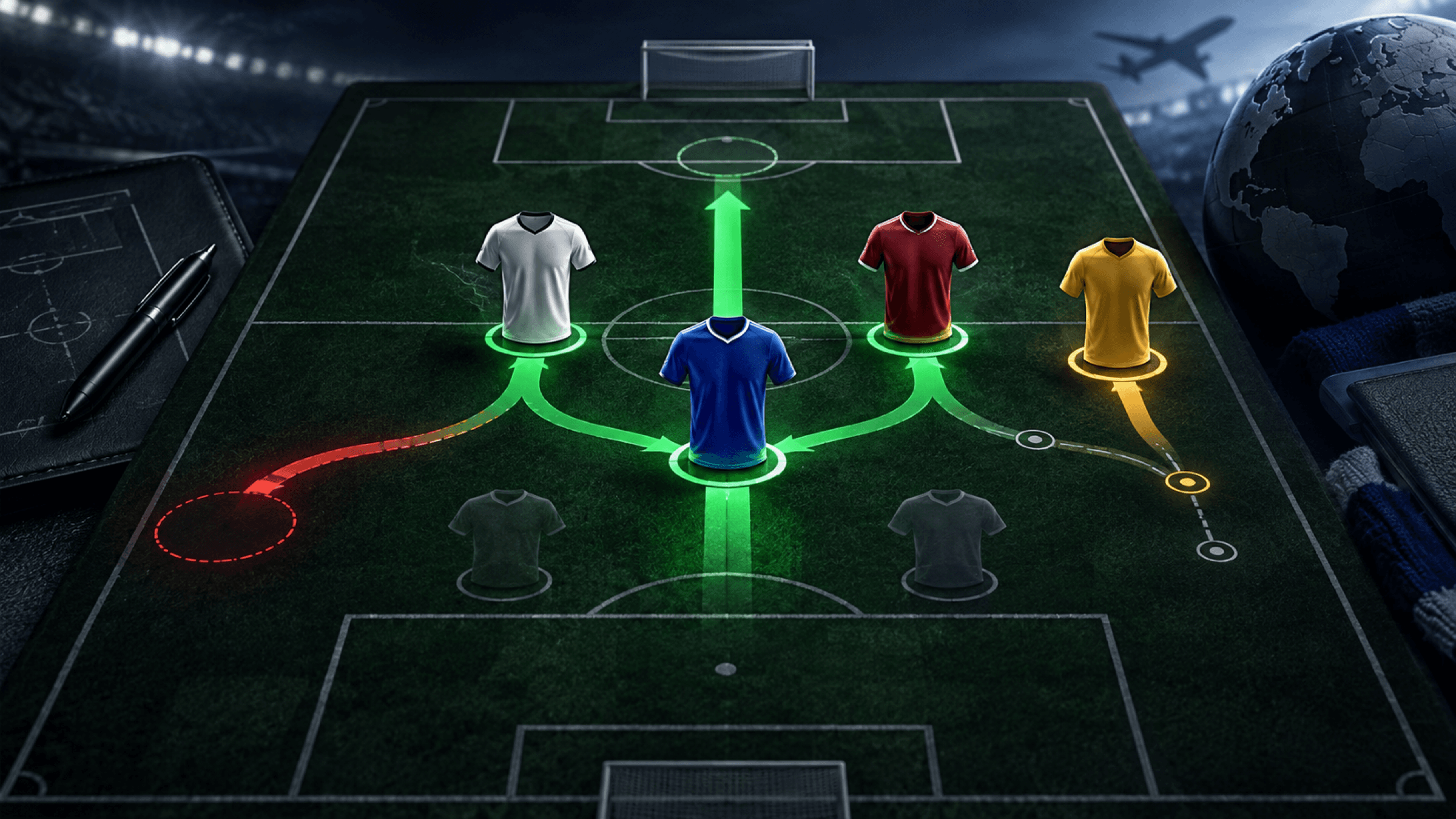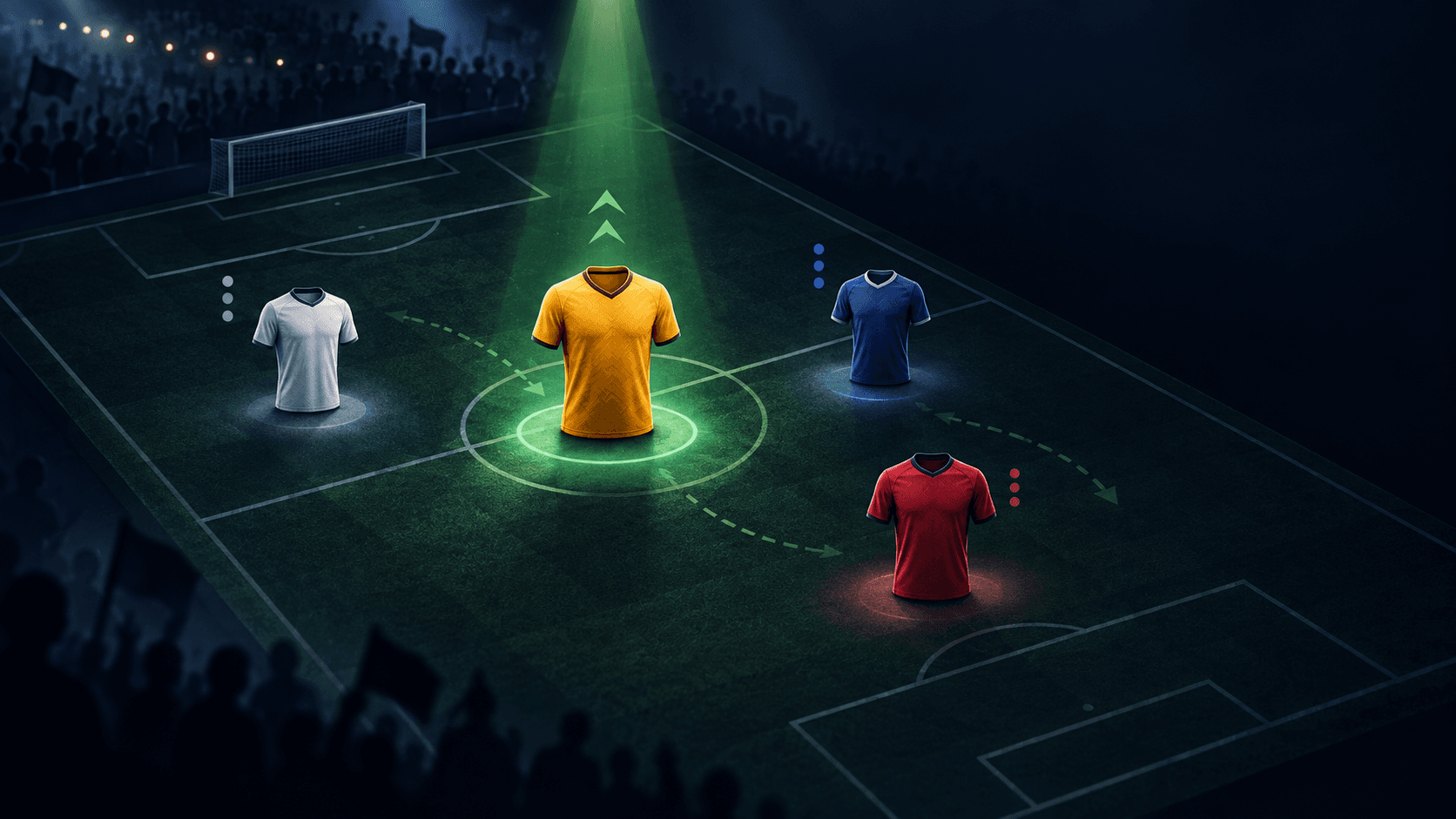




Captain Haaland and vice-captain Bruno in a conventional squad. Gibbs-White is the best aggressive alternative; save the Triple Captain unless GW5 is central to your chip plan.
The captaincy verdict
Erling Haaland is the GW5 captain. The production model gives him 9.00 expected points at home to Sunderland, around 1.8 clear of his nearest midfield challengers, with 87.6 expected minutes and a 99.5% start probability. That is not certainty—football keeps certainty in a locked cupboard—but it is the best blend of fixture, role, ceiling and minutes on the slate.
The ownership will make the decision feel defensive, yet the logic is attacking. Haaland has the strongest individual projection and Manchester City have the most appealing home fixture among the premium captaincy teams. Managers chasing rank can still oppose him, but they should do so because they prefer another probability distribution, not because the armband has become boring. Boring points remain fully legal tender.
Captaincy should be treated as a probability decision repeated across a season, not a weekly referendum on bravery. Choosing the top projection will sometimes lose to a differential and can still be correct. The aim is to make the best decision with the information available before kick-off, then resist rewriting the logic because a post hits the inside rather than the outside.
What the model says
The gap matters. Haaland sits at 8.997 xPts; Morgan Gibbs-White at 7.198 and Bruno Fernandes at 7.164 form the second tier. Daniel Muñoz is fourth overall at 6.664, though captaining a defender asks clean-sheet and attacking-return events to cooperate. Rayan Cherki follows at 6.519. The table uses one frozen refresh, so the order must be revisited if expected minutes move.
Expected points are an average across many possible match stories, not a script delivered to the stadium. Haaland's floor-to-ceiling band is wider than his single number suggests, while Gibbs-White and Bruno can beat him in perfectly plausible outcomes. The correct question is not whether an alternative can score more—it obviously can—but whether its chance of doing so compensates for passing the model leader.
The start probabilities are particularly important after international travel. A captain losing 15 projected minutes does not just surrender time; he loses opportunities for appearance points, goals, assists and bonus. That compounding effect is why the final model refresh matters. One small team-news clue can reshape a close alternative race even when Haaland's lead remains intact.
GW5 what the model says: model shortlist
One frozen production-model refresh; expected outcomes are not single-match promises.
Key takeaway: The table compares projected points, expected minutes and start probability for the article shortlist.
| Position | ||||||
|---|---|---|---|---|---|---|
| DEF | Muñoz | NFO | 6.66 pts | 80.7 mins | 96.6% | Coventry City H |
| MID | Gibbs-White | NFO | 7.2 pts | 88.6 mins | 99.4% | Coventry City H |
| MID | B.Fernandes | MUN | 7.16 pts | 86.3 mins | 96.5% | Fulham A |
| MID | Cherki | MCI | 6.52 pts | 81.9 mins | 97% | Sunderland H |
| MID | Saka | ARS | 5.57 pts | 71.6 mins | 81.2% | Brighton A |
| FWD | Haaland | MCI | 9 pts | 87.6 mins | 99.5% | Sunderland H |
Best alternatives
Gibbs-White is the best aggressive alternative. Forest host Coventry, his minutes look exceptionally secure and his routes include creation as well as direct returns. Bruno is the better vice-captain for most squads: his projection is virtually identical, his role is established and Fulham away does not require a tactical fairy tale. If your rival owns Haaland, captaining Bruno is a deliberate swing; vice-captaining him is simply competent housekeeping.
Cherki supplies the same favourable City fixture at lower cost and lower ownership, but he trails Haaland on both projection and established FPL goal route. Bukayo Saka, at 5.56 xPts against Brighton, is a credible fifth choice rather than an urgent revolt. Muñoz is the spicy defender pick. It is the sort of move that looks visionary after a 15-pointer and like you captained a defender after a two-pointer.
Vice-captaincy deserves a real choice. Put it on a secure, high-upside starter from a different team where possible, reducing the chance that one postponed match or shared late issue wipes out both armbands. Bruno fits that brief better than an uncertain City team-mate. Insurance is dull only until it has to pay out.
Risks and late news
The principal risk is late team news after an international window. Travel, training load and any fresh manager wording can move expected minutes quickly. Haaland's current numbers are excellent, but the final call should still follow Friday's briefings. The same applies more strongly to alternatives: a small minutes downgrade can erase the narrow gap between Gibbs-White and Bruno or make Cherki less attractive.
There is also chip discipline. A strong captain does not automatically make this the best Triple Captain week. Future fixtures and double Gameweeks can offer a superior combination of ceiling and information. Unless your season plan specifically targets GW5, the ordinary armband captures most of the upside without spending the chip. Keep the fireworks dry; Sunderland at home is appealing, not the final scene of an action film.
Ownership belongs in the risk conversation, not the points model. Captaining Haaland protects against the most popular route; opposing him increases both upside and downside. Neither motive changes his chance of scoring. Managers should decide whether their season position actually requires variance instead of manufacturing a chase because the deadline has made everyone slightly theatrical.
Final ranking
The current ranking is Haaland first, Gibbs-White second, Bruno third, Cherki fourth and Saka fifth, with Muñoz the high-variance defensive outsider. For a conventional squad, captain Haaland and vice-captain Bruno. For an intentional rank chase, Gibbs-White is the alternative whose minutes and fixture make the gamble most coherent.
That ranking is a newsroom decision, not a decorative list. Haaland leads by model probability; Gibbs-White wins the alternative-upside argument; Bruno offers the safest premium contingency. Recheck all five after the press window and before Friday's 18:30 BST deadline. If nothing material changes, there is no need to overthink it. Sometimes the obvious armband is obvious because it has done the work.
Our recommendation can change only if the inputs change. A credible fitness concern, a sharp expected-minutes cut or a confirmed absence would reopen the ranking. Vague online anxiety would not. That boundary keeps the final call accountable: we can explain why the armband moved, rather than announcing that the vibes became complicated at 17:42.
How this article was checked
Model tables use one frozen production refresh and report expected outcomes, not certainties. Official FPL feeds supply fixtures, prices, ownership and availability; late team news can change expected minutes and the recommendations.
- Fantasy Premier League — Official FPL player, price, ownership, availability and deadline data.
- Fantasy Premier League — Official GW5 fixtures, opponents and kickoff times.
- FPL Rogue data and models — Frozen GW5 xPts, xMins and start probabilities used in the article.
- Premier League — Premier League 2026/27 fixture schedule.